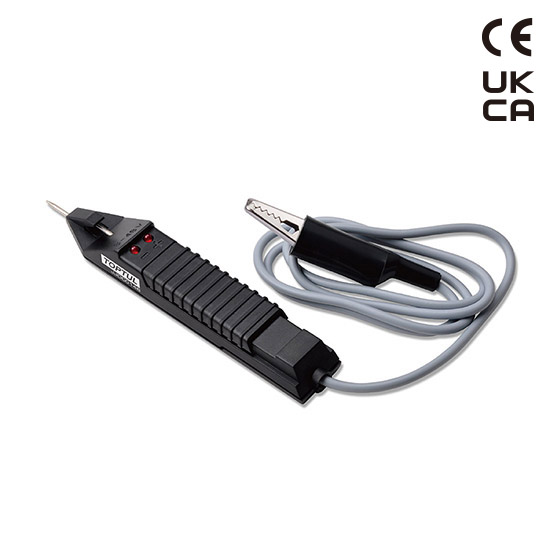
To use an automotive circuit tester, connect the tester’s clip to a ground point and probe the circuit. Observe the tester’s light to check for voltage.
An automotive circuit tester is an essential tool for diagnosing electrical issues in vehicles. It helps identify faults in wiring, fuses, and connections quickly. By using this tool, you can determine whether a circuit has power or if there’s a break somewhere.
This can save time and money by pinpointing the exact issue. The tester is easy to use and requires minimal setup. It’s a must-have for both professional mechanics and DIY enthusiasts. Knowing how to use it properly ensures your vehicle’s electrical system functions efficiently.

Types Of Circuit Testers
Digital testers provide precise readings. They are easy to read. They often have a digital display. Analog testers use a needle and gauge. They can be harder to read. They are less expensive than digital testers. Both types are useful for different tasks.
Digital Vs. Analog Testers
Digital testers are more accurate. They show exact voltage levels. They are great for detailed work. Analog testers are simpler. They are good for quick checks. The needle shows general voltage levels. Choose based on your needs.
Specialized Testers
Some testers are specialized. They test specific components. Fuse testers check if a fuse is good. Relay testers check if a relay works. These testers save time. They are easy to use. They are very efficient.

Essential Features
A good automotive circuit tester has a strong probe. The probe is often made of metal. It also has a clear handle. Inside the handle, there is a light. This light helps you see if there is power. The tester also has a grounding clip. This clip is very important. It helps complete the circuit. The tester should have a flexible wire. This wire connects the probe and the clip. The wire needs to be long enough. This allows you to reach different parts of the car.
Safety is very important. The tester should have insulated handles. This keeps you safe from shocks. The probe tip should be sharp but safe. A safe tip helps you test without damage. Look for a tester with a built-in fuse. This protects the tester from high voltage. The tester should also have non-slip grips. These grips help you hold it steady. Always check for certifications. Certified testers meet safety standards.
Preparation
Understand your vehicle’s wiring by using an automotive circuit tester. Connect the tester to the circuit and read the results.
Gathering Tools
First, find a circuit tester. You will also need a screwdriver, some wire strippers, and safety gloves. Ensure you have a clean workspace. A notepad and pen can be useful for taking notes. Keep a flashlight handy for better visibility.
Safety Precautions
Always wear safety gloves to protect your hands. Ensure the vehicle is off before starting. Avoid working near wet areas to prevent shocks. Use insulated tools to stay safe. Keep children and pets away from the workspace. Make sure you understand the vehicle’s manual. Double-check all connections before testing. Stay alert and focused while working.
Basic Testing Procedures
Make sure the car battery is disconnected. Touch the tester’s probes to both ends of the wire. If the light glows, the wire has continuity. If not, the wire is broken. Always check wires for damage before testing. This ensures accurate results.
Connect the tester’s black probe to the negative terminal. Place the red probe on the positive terminal. The light will glow if the circuit has voltage. If the light is dim, the voltage might be low. Always ensure connections are clean for accurate readings.
Advanced Techniques
Use a circuit tester to find broken wires. Touch the probe to each end of the wire. The light will not glow if the wire is broken. Check fuses by touching both ends of the fuse. The light will glow if the fuse is good. Inspect connections by placing the probe on each connection point. A bad connection will not make the light glow. Test relays by connecting the probe to the relay terminals. The light should glow when the relay is activated.
Set the circuit tester to continuity mode. Touch the probe to both ends of a wire. The tester will beep if the wire is good. Switch to voltage mode to check for power. Place the probe on a connection point. The tester will show a reading if power is present. Use resistance mode to check components. Touch the probe to both ends of the component. The tester will show a resistance value if the component is good.
Common Issues And Fixes
Intermittent failures are tricky to diagnose. They happen randomly and can be hard to catch. Testing the circuit multiple times helps to catch these failures. Wiggling the wires during testing can reveal issues. Vibrations from the engine might cause these failures. Heat can also play a role. Testing under different conditions can help find the root cause.
Corroded connections lead to poor performance. Moisture and salt are common culprits. Cleaning the connections helps restore performance. Use a wire brush or sandpaper for cleaning. Apply dielectric grease to prevent future corrosion. Inspect connectors regularly for signs of corrosion. Replace badly corroded parts to ensure reliability.
Maintenance And Care
Store the circuit tester in a dry and cool place. Avoid areas with high humidity or extreme temperatures. Use a protective case to keep it safe from dust and damage. Keep it away from children and pets. Label the storage area to easily find the tester.
Calibrate the tester every 6 months. Follow the manufacturer’s instructions for calibration. Use standard reference points to check accuracy. Record the calibration dates and results. This ensures reliable and accurate readings. Replace any damaged parts during calibration. Contact a professional if needed.
Frequently Asked Questions
What Is An Automotive Circuit Tester?
An automotive circuit tester is a tool used to check electrical circuits in vehicles. It helps identify issues like broken wires or faulty connections. This tool is essential for diagnosing electrical problems in cars.
How Do You Use A Circuit Tester?
To use a circuit tester, connect its clip to a ground point. Touch the tester’s probe to the circuit you want to test. If the tester lights up, the circuit is live.
Can A Circuit Tester Check Fuses?
Yes, a circuit tester can check fuses. Touch the tester’s probe to both ends of the fuse. If it lights up, the fuse is good.
Why Is My Circuit Tester Not Working?
Your circuit tester might not work due to a dead battery, a faulty ground connection, or a defective tester. Check these components first.
Conclusion
Mastering the use of an automotive circuit tester is essential for car maintenance. It simplifies diagnosing electrical issues. Follow the steps carefully for accurate results. Regular practice will enhance your skills. Keep your circuit tester handy and ensure your vehicle’s electrical system remains in top condition.
Happy testing!